
Loose Leaf Tea
Loose leaf tea is made from whole or larger tea leaves instead of the small broken pieces or dust found in many tea bags. This helps it keep more of its natural taste, smell, and quality. It is closer to tea in its natural form before heavy processing.
This type of tea is different from regular tea bags because the leaves need space to open in hot water. When they expand, they release more flavour into the drink. This often creates a smoother and richer cup.
One of the main reasons people choose loose leaf tea is freshness. Since the leaves are less processed, it often tastes cleaner and more natural. Many tea drinkers prefer this higher level of quality.
There are many types of tea available, including green, black, oolong, white, herbal, and fruit blends. Each one has its own flavour. Some are light and fresh, while others are strong and bold.
Loose leaf tea is also easy to control when brewing. You can adjust the strength by changing the amount of leaves and steeping time. If you want to learn more, a Tea Appreciation Workshop is a great way to understand how it works and how to enjoy it properly.
Why Choose Loose Leaf Tea?
Freshness is one of the main benefits of this type of tea. Good quality leaves are carefully sourced and packed to help preserve their taste. When brewed properly, it produces a cleaner and richer flavour with more depth.
There are many types of tea to choose from, including green tea, black tea, oolong tea, white tea, herbal tea, and fruit blends. Each one has its own taste. Some are light and floral, while others are strong and earthy. This makes it easy to match different preferences.
This tea also gives you more control over brewing. You can adjust the strength, flavour, and steeping time based on your taste. This makes the experience more personal and flexible.
For those looking for authentic options, a Chinese Tea Shop Singapore is a good place to find quality loose leaf tea and traditional blends.
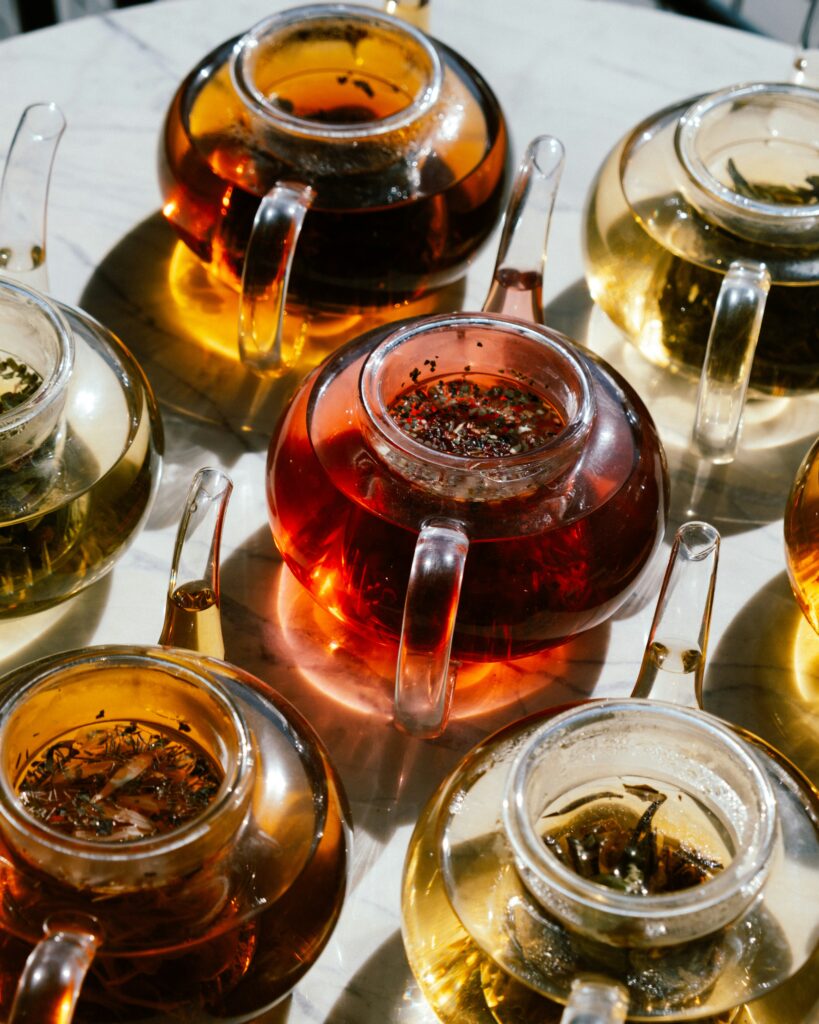
Loose Leaf Tea Brewing Tips
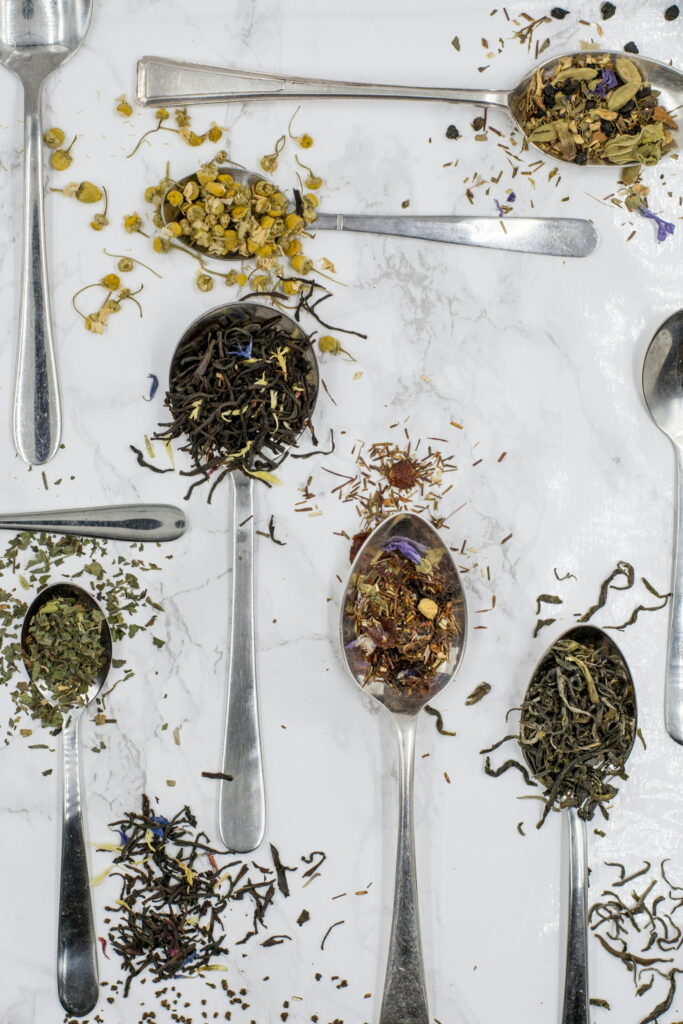
Brewing loose leaf tea the right way is important if you want the best flavour and aroma. This type of tea is more sensitive than tea bags, so water temperature and steeping time really matter. Learning the basics can help improve every cup you make.
Different types of loose leaf tea need different brewing methods. Green tea usually needs cooler water to avoid bitterness. Black tea works better with hotter water and longer steeping. Herbal tea can steep longer to bring out more flavour from fruits and herbs.
Simple steps can help you get better results when making loose leaf tea. Use fresh filtered water for better taste. Measure the right amount of tea leaves. Follow the correct water temperature. Avoid steeping too long. Use a good infuser or teapot so the leaves can open fully and release flavour.
The tools you use can also improve the final cup. Glass teapots, stainless steel infusers, and tea strainers help the leaves expand properly in water. Temperature-controlled kettles make it easier to heat water correctly every time. Good storage is also important, as loose leaf tea should be kept away from moisture, light, and strong smells to stay fresh.
For beginners, sampler packs are a simple way to explore different loose leaf tea varieties without buying large amounts. This helps you try different flavours before choosing your favourites. Changing steeping time and methods also helps you understand how tea changes in taste and strength.
Frequently Asked Questions
What is a loose tea?
Loose leaf tea is tea made from whole or larger pieces of dried tea leaves that are sold without being packaged in individual tea bags.
What is a good tea to drink for diabetes?
If you’re looking for tea options that may be suitable for people with diabetes, the best choices are usually unsweetened, low-calorie herbal or true teas that don’t spike blood sugar.
Here are commonly considered good options:
Green tea
- One of the most studied options
- Contains antioxidants (catechins)
- May help support better blood sugar control when part of an overall healthy diet
Black tea
- No sugar or milk added
- Can be a simple daily drink
- Contains polyphenols that may support metabolism
Cinnamon tea
- Made from cinnamon sticks or powder
- Often used to support healthy blood sugar levels
- Naturally sweet-tasting without sugar
Chamomile tea
- Caffeine-free
- May help with relaxation and sleep, which indirectly supports blood sugar balance
Hibiscus tea
- Tart, fruity flavor
- Naturally low-calorie and sugar-free when unsweetened
Fenugreek tea
- Traditionally used in some cultures for blood sugar support
- Has a slightly bitter taste
Important note
For diabetes, the key is not just the type of tea but what you add to it—avoid sugar, sweetened milk, or syrups. Also, teas should support (not replace) proper medication, diet, and medical advice.
If you want, tell me whether you prefer hot, iced, or flavored teas, and I can suggest specific blends you can easily buy in the Philippines.
Is loose tea higher quality?
Loose leaf tea is often higher quality than regular tea bags, but it depends on the brand and grade of tea.
In general, loose leaf tea uses larger, whole or partially broken tea leaves, while many tea bags contain smaller broken pieces or “dust” from the tea plant. The size and condition of the leaves affect both taste and aroma.
Why loose leaf tea is often considered higher quality:
- Better flavour: Whole leaves keep more natural oils, which give richer taste and aroma
- Less processing damage: Leaves are usually less crushed, so they retain more character
- More control: You can adjust strength by changing how much tea you use
- More variety: Premium teas (like high-grade green, oolong, and white teas) are usually sold loose
But not always:
- Some high-end tea bags use premium whole-leaf tea
- Some loose teas can still be low quality if they are poorly sourced or old
Simple takeaway:
Loose leaf tea is usually a step up in quality compared to standard tea bags, but the true quality depends on the tea grade and freshness, not just the format.