
Tea has always been a conversation driver, it allows small talks and in-depth discussions to happen at the same time. Tea has also been a tool in forging stronger relationships. During the length of operation, CAMELLIA茗岩® had conducted workshops and team building events for SMEs, MNCs as well as statutory boards. Some of our most memorable events remains at receiving highly regarded clienteles of renowned brands, as well as setting up a tea booth at a meaningful charity event that we hold close to heart.
Most people like to present gifts to express gratefulness through a token of appreciation from time to time.
As a rule of thumb, the gift does not have to be the most expensive, but it should be tasteful and meaningful.
We have listed few reasons below why is CAMELLIA茗岩® tea a great choice of gift:
- It can never go wrong to present ‘health’ to the ones we care for
– We uses traditional craft to enrich the tasting experience of every brewer
– We harvest our tea ethically and socially responsible
– It shows that the giver has a great taste! Trust us when we claim this.
What is more relieving than a cup of tea in the midst of chaos? Or rather, what could excite when the day is long and draggy? A cup of great tea.
Write to us today and we will be able to freshen up your pantry!
We are a young bunch and always open for ideas and discussions.
If you have a great idea to explore, write to us.
A Tea Appreciation Workshop is designed for people who want to understand tea in a simple and guided way. It is often used for corporate groups, team bonding, and private learning sessions. The Tea Appreciation Workshop helps participants slow down and learn how tea is made, brewed, and enjoyed.
In Singapore, tea culture is growing in both traditional and modern ways. Some people first explore spaces like Tea House Singapore to understand tea culture in a relaxed setting. Others may also start with Tea Chapter Singapore to learn basic tea traditions before moving into deeper tea experiences.
A Tea Appreciation Workshop is structured to be easy for beginners. There is no need for prior tea knowledge. Everything is explained step by step. Participants learn about tea types, brewing methods, and tasting styles in a simple way.
This type of workshop is also popular for companies. It helps teams relax, communicate, and share a calm experience together. The Tea Appreciation Workshop is not rushed. It focuses on awareness, focus, and shared learning.
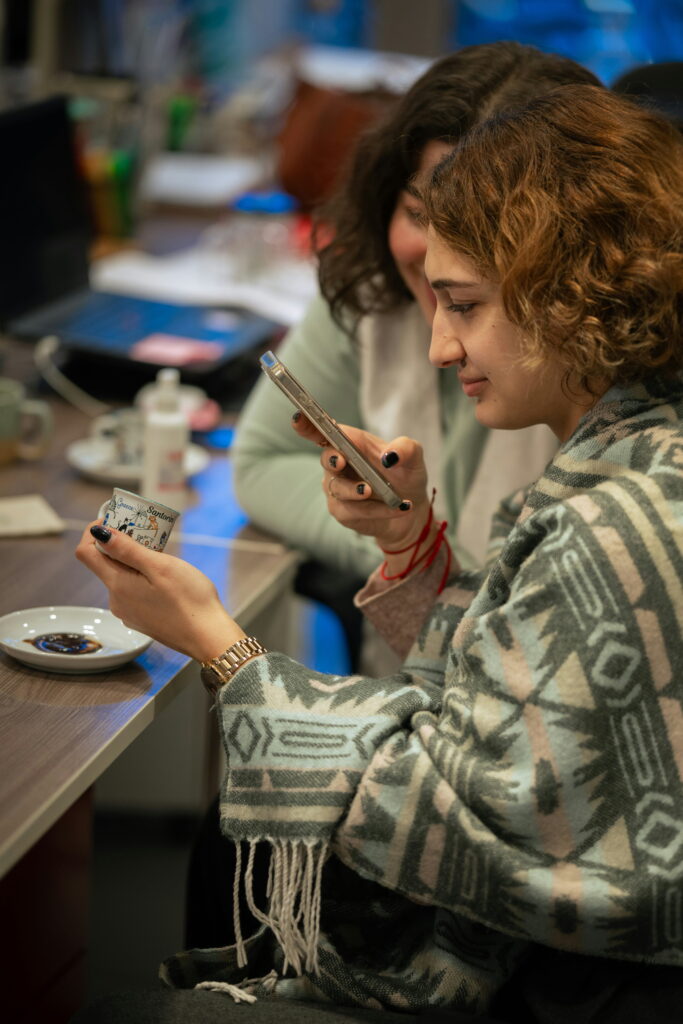
A typical Tea Appreciation Workshop starts with a short introduction to tea. Participants are introduced to different tea types such as green tea, oolong tea, and herbal blends. The goal is to make tea easy to understand.
During the Tea Appreciation Workshop, participants learn how tea leaves are prepared. They also learn how water temperature and steeping time change the flavour. This helps people understand why the same tea can taste different.
The session is interactive. Guests are encouraged to smell, taste, and compare different teas. This makes the Tea Appreciation Workshop more engaging than a simple presentation.
The workshop also includes guided tasting. Each tea is brewed step by step. Participants can see how the flavour develops over time. This helps build awareness and appreciation.
For many first time participants, the Tea Appreciation Workshop is a new experience. It slows down the pace of the day and gives space to focus.
Some companies also use the Tea Appreciation Workshop as a team bonding activity. It creates a calm environment where people can connect without pressure.
As participants learn more, they often become interested in exploring tea culture further. Some visit Tea House Singapore experiences to continue learning in a relaxed environment.
The “four pillars” of a traditional tea ceremony are often described as:
These ideas guide the experience, not just the act of drinking tea.
To appreciate tea, focus on the full experience, not just taste:
Tea appreciation is about being present and noticing small details.
Traditionally, guests are family members, close friends, or respected elders. In formal settings like weddings, tea ceremonies are also used to show respect to parents and older relatives. In cultural or ceremonial events, invited guests are usually those with close social or family ties.
When complimenting tea, keep it simple and sincere. You can say:
In more traditional settings, people may also show appreciation by slowly drinking and nodding, which is a polite form of respect.