
Tea Chapter Singapore and Camellia Tea Bar in Singapore Tea Culture
Tea Chapter Singapore is a well known place where people can explore traditional tea culture in Singapore. It focuses on slow tea learning, simple brewing, and a calm environment. Tea Chapter Singapore is often visited by beginners, tourists, and tea lovers who want an introduction to Chinese tea traditions.
Tea Chapter Singapore is not a modern café style space. It focuses more on learning and tradition. Visitors are guided through tea types, brewing steps, and tasting methods. Tea Chapter Singapore helps people understand how tea changes with water temperature, steeping time, and leaf quality.
Many people visit Tea Chapter Singapore because it offers a simple way to learn tea culture. Tea Chapter Singapore focuses on education rather than speed. This makes it a common starting point for tea beginners.
In Singapore, tea culture has many styles. Some places focus on tradition, while others focus on modern tea experiences. Tea Chapter Singapore represents the traditional side. Camellia Tea Bar in Singapore represents a modern tea experience with curated tasting, premium loose leaf tea, and a focus on flavour and origin.
Tea Chapter Singapore Experience and What Visitors Learn
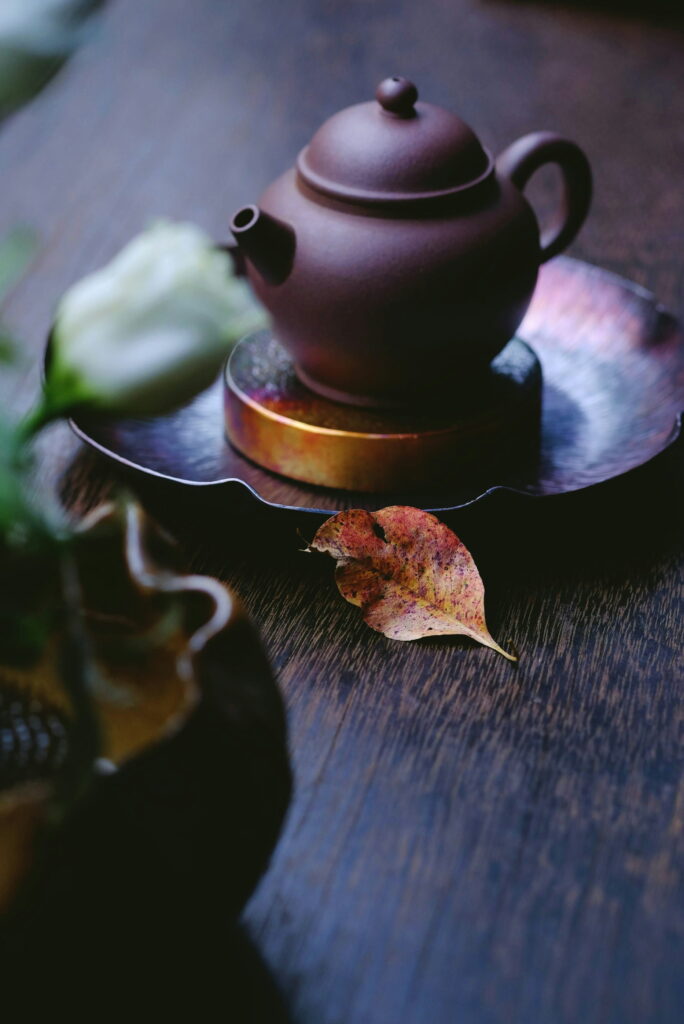
A visit to Tea Chapter Singapore usually starts with a short tea introduction. Guests are shown different teas like green tea, oolong tea, and other Chinese teas. Everything is explained in a simple way so beginners can follow.
Tea Chapter Singapore also teaches basic tea etiquette. This includes how tea is poured and shared. These small steps help visitors understand tea culture in a clear way.
The space is quiet and relaxed. People are encouraged to slow down and enjoy each cup. Tea Chapter Singapore is designed for learning, not rushing.
Each tea session at Tea Chapter Singapore gives a different taste experience. Small changes in brewing can change the flavour.
After visiting Tea Chapter Singapore, many people continue their tea journey. Some explore Camellia Tea Bar in Singapore, where tea tasting is more focused on origin, flavour, and curated tea selections.
Others may explore a Tea House Singapore to experience different tea styles and environments.
Some also compare options with the Best Tea Shop In Singapore to discover more tea varieties and retail choices.
Tea Chapter Singapore vs Camellia Tea Bar in Singapore Tea Culture
Tea Chapter Singapore focuses on tradition. It teaches people how tea works in a simple and clear way. It is a good starting point for beginners.
Camellia Tea Bar in Singapore offers a more modern tea experience. It focuses on curated tea selections, premium loose leaf tea, and guided tasting. Instead of only learning basics, visitors explore flavour depth and tea origins.
Both places are important in Singapore tea culture. Tea Chapter Singapore helps people learn. Camellia Tea Bar helps people explore tea in more detail.
Many people visit both. They may start at Tea Chapter Singapore, then continue to Camellia Tea Bar in Singapore to go deeper into tea tasting.
Some also visit a Tea House Singapore to compare different tea settings.
Others explore the Best Tea Shop In Singapore to find more tea products and styles.
Together, these places show how tea culture in Singapore is both traditional and modern. Tea Chapter Singapore keeps the learning side alive, while Camellia Tea Bar in Singapore brings a more curated tea experience.
Frequently Asked Questions
What is the most popular tea in Singapore?
The most popular teas in Singapore are jasmine green tea, oolong tea, and milk-style black tea drinks. Oolong is especially common because it has a smooth, balanced taste that suits the local climate and food culture.
What's the difference between tea rooms and teahouses?
A tea room is usually a quiet place where tea is served in a simple, calm setting, sometimes with light snacks.
A teahouse is more focused on the traditional tea experience, including brewing methods, tea variety, and sometimes tea rituals. Teahouses often feel more cultural and immersive.
What is the most expensive tea brand?
Some of the most expensive tea brands and teas include:
- Da Hong Pao (rare Chinese tea, sometimes sold at auction prices)
- TWG Tea (luxury tea brand)
- Mariage Frères (premium French tea house)
Prices are usually high because of rarity, careful processing, and limited supply rather than branding alone.
Is 20 year old tea still good?
It depends on the type of tea and how it was stored.
- Pu-erh tea can improve with age and may taste better over time
- Most green, black, and oolong teas are best when fresh and may lose flavour after many years
If tea is stored in a dry, airtight container away from light and smell, it may still be safe to drink, but the taste is usually weaker or flatter.